
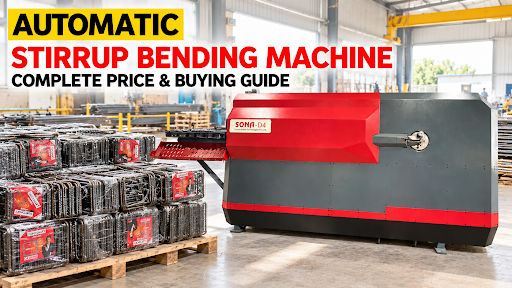
A PLC or CNC-controlled machine that converts coiled or straight rebar into finished stirrups — the reinforcement cages used inside beams, columns, and slabs. Used across construction sites, precast plants, and infrastructure projects to improve productivity, cut labour costs, and ensure uniform bending quality, from residential columns to bridges and metro flyovers.
On CNC machines, the operator enters stirrup dimensions via an HMI, and the machine handles the rest automatically — no manual measuring or repositioning.
| Category | Price Range | Typical Specs |
|---|---|---|
| Entry-level | ₹18,000 – ₹40,000 | 6–14mm bar, ~500 pcs/hr |
| Mid-range | ₹1,00,000 – ₹3,00,000 | PLC-assisted, higher throughput |
| Heavy CNC | ₹4,50,000 – ₹22,00,000+ | 6–32mm bar, servo-driven |
Real listings: basic automatic units start ₹18,803–₹30,000; a machine rated 1,800–2,200 pcs/hour on 8mm bar runs ~₹6,50,000; CNC benders with 0–50mm capability go around ₹13,50,000, with top-tier CNC lines reaching ₹22,31,000+.
The price bands above span everything from small domestic workshop units to imported European precision lines — and that's really the main driver of cost, not just capacity numbers.
| Brand | Origin | Tier |
|---|---|---|
| Sona D2N | India | Heavy CNC |
| Sona D4 | India | Heavy CNC (top end) |
| Sona GW-series (lower models) | India | Entry to Mid-range |
| TKD | India/regional | Heavy CNC |
| TJK Machinery | China | Mid-range to Heavy CNC |
| MEP S.p.A. | Italy | Heavy CNC |
| Europa Pedax | Germany | Heavy CNC |
| Schnell S.p.A. | Italy | Heavy CNC |
| Progress Maschinen & Automation | Italy | Heavy CNC |
Rule of thumb: entry-level and most mid-range machines on the Indian market are domestic (Sona, TKD) or Chinese imports (TJK). The heavy-CNC tier is where European brands — MEP, Schnell, Pedax, Progress — dominate, and where spare-parts lead time and service network reach (often shipped from Europe) matter as much as the sticker price. Sona is the exception that spans the full range — its GW-series sits at entry-to-mid, while the D2N and D4 compete directly with the European heavy-CNC names.
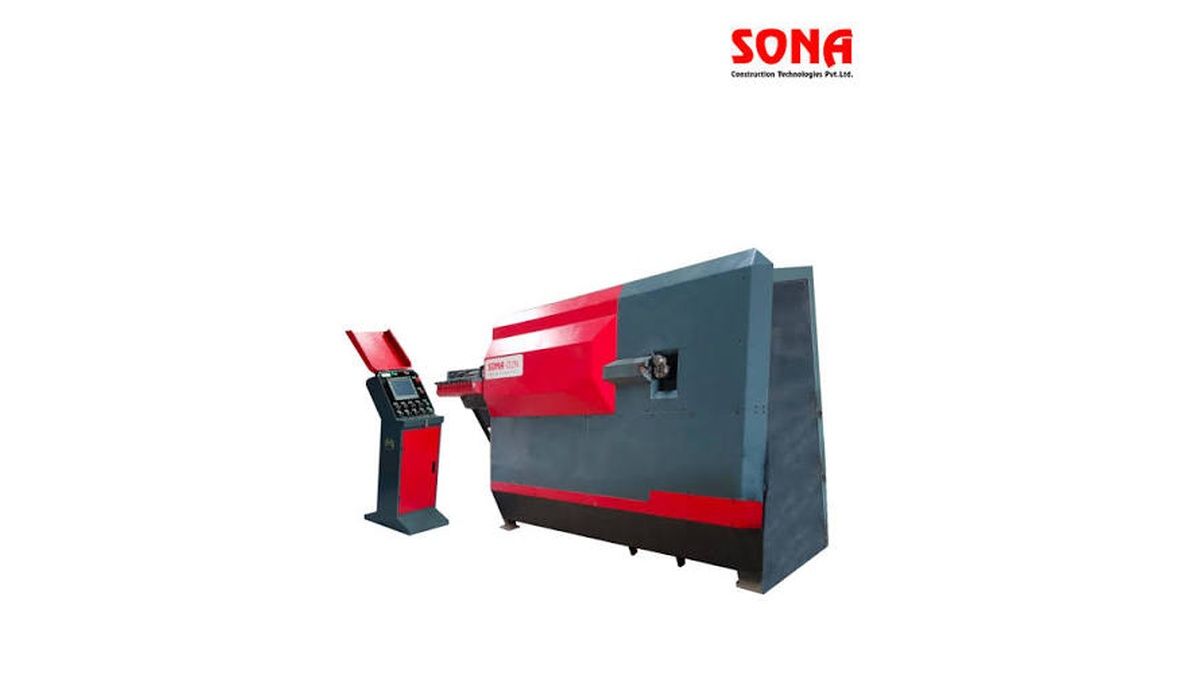
India's compact CNC stirrup bending machine, positioned at the heavy-duty end of the domestic lineup.
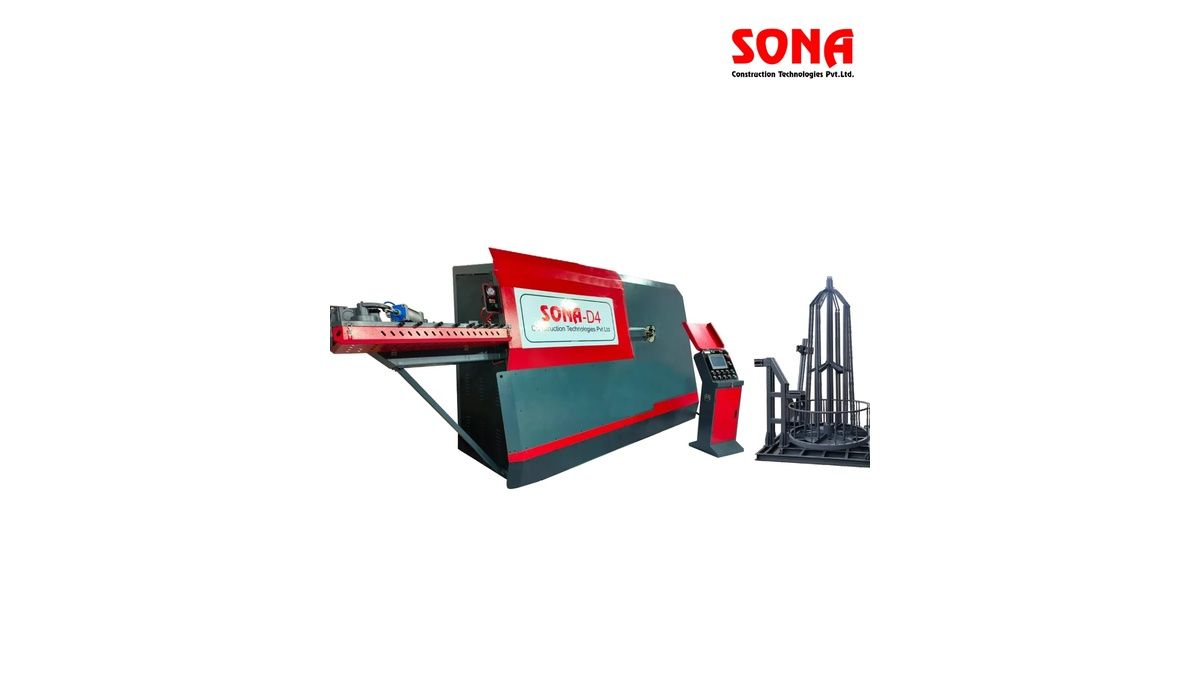
Sona's higher-capacity CNC model, built for larger fabrication and precast volumes.
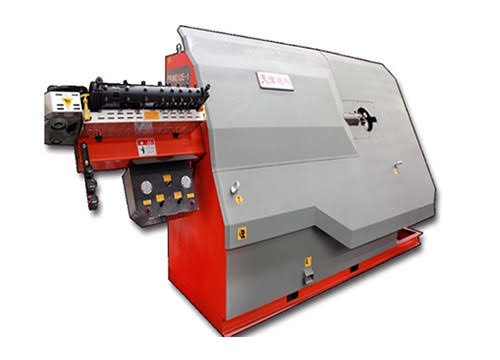
Chinese-made CNC stirrup benders sold through Indian import/trade dealers, spanning mid-range to heavy CNC.
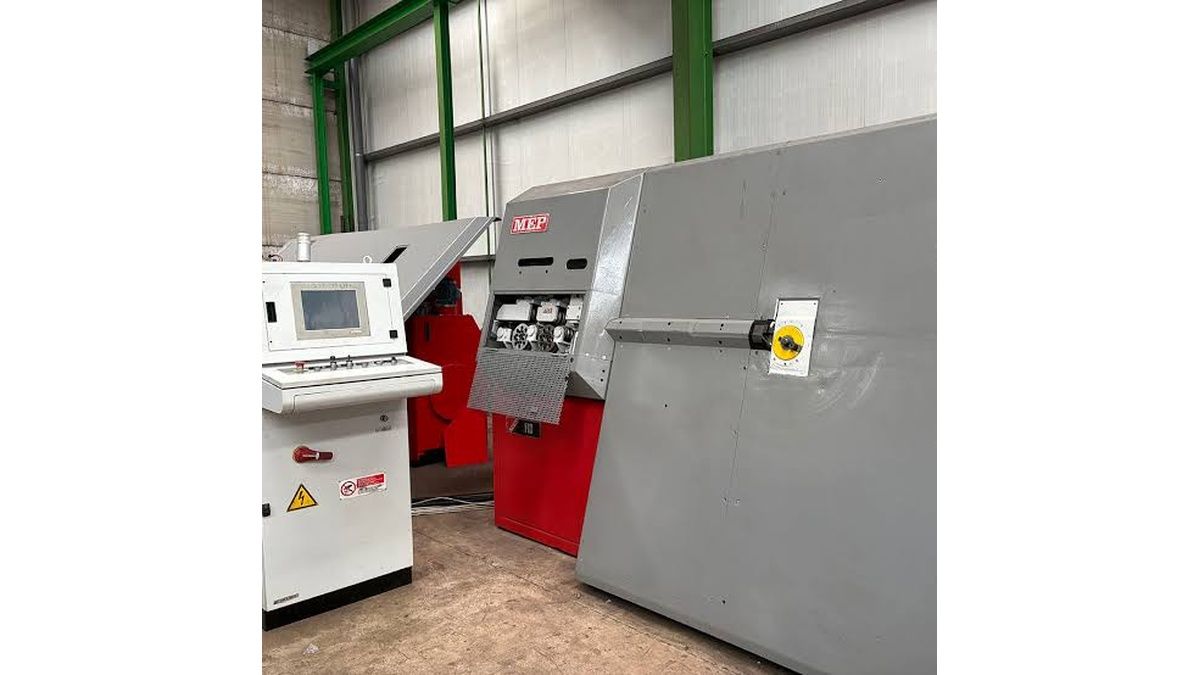
Italian coil-processing and cut-and-bend machines, distributed in India through authorized dealers.
_MQnjtOcTnq.jpg)
Italian high-speed CNC stirrup benders, aimed at large precast and infrastructure contractors.
_vgVCdG9P6I.jpg)
Italian precast-line equipment supplier, typically part of a larger rebar-processing setup rather than sold as a standalone unit.
Always confirm rated output at your actual bar size — headline numbers are usually best-case, at the smallest diameter.
Most machines process both cold-drawn and hot-rolled stock, covering standard MS and TMT rebar. Check the range against your actual project mix — a 6–32mm machine is wasted spend if 90% of your work is 8–10mm.
Average draw: 2–10 kWh depending on model; larger CNC motors are rated up to 25–26kW but draw less than peak during normal cycles.
Estimated cost at 5 kWh average and ₹8/unit: ₹40/hour → ₹320/day → ~₹8,000/month — a small fraction of labour savings, but worth budgeting.
Beyond wages: less recruitment overhead, lower injury risk, less dependence on scarce skilled labour.
| Factor | Manual | Automatic |
|---|---|---|
| Labour | 2–4 workers/station | 1 operator |
| Consistency | Variable | Highly consistent |
| Upfront cost | Near-zero | ₹18,000–₹22,00,000+ |
| Wastage | Higher | Lower (precise tolerance) |
| Best fit | Small, irregular jobs | Regular/high-volume work |
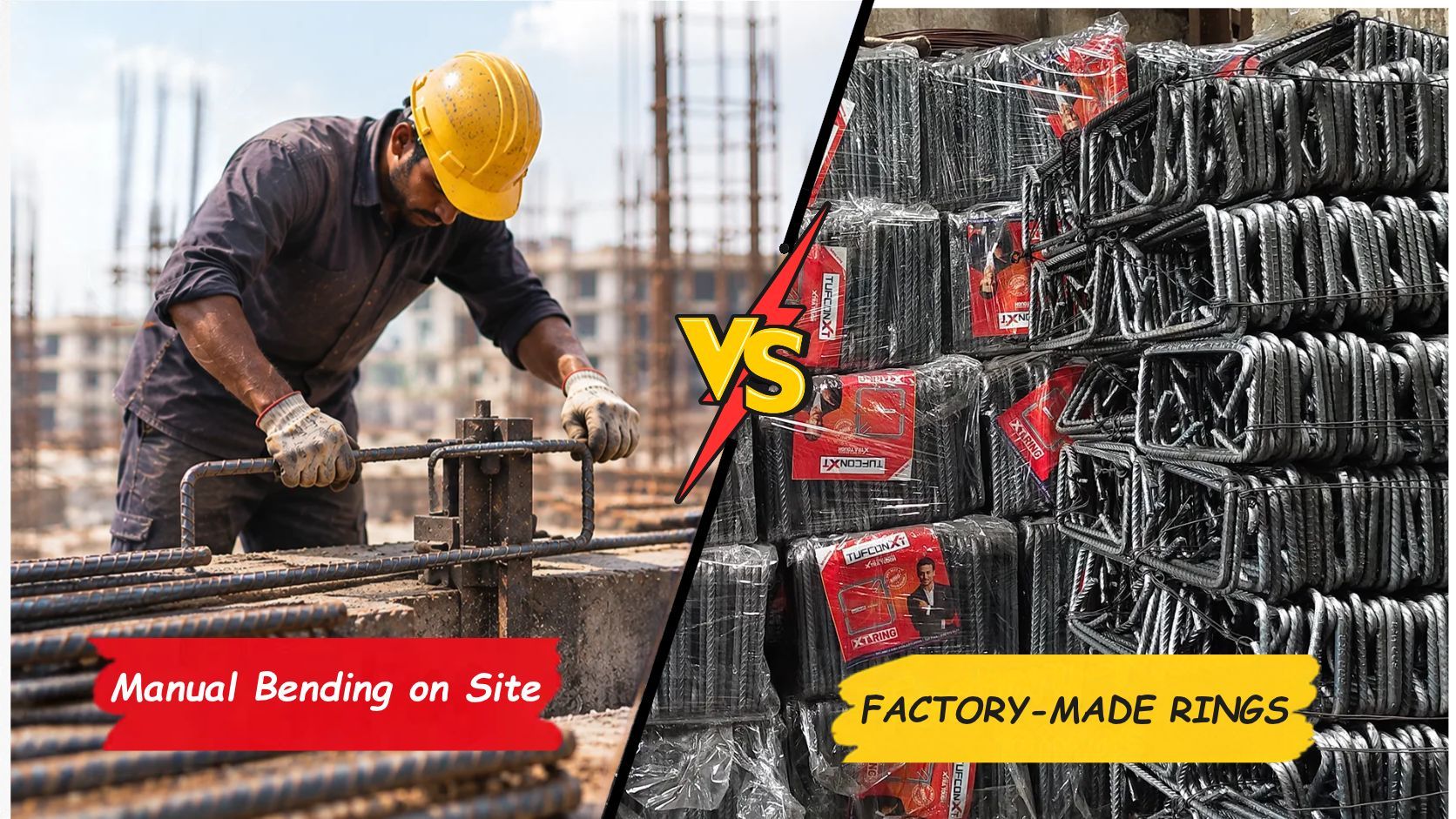
Manual bending still suits very small or occasional jobs — no electricity needed, fully portable, low learning curve. For regular volume, automation's consistency and labour savings typically win within a year.
Mid-range ₹1,50,000 machine, replacing 2 workers (₹1,200/day) with 1 operator (₹600/day):
Add 3–5% material savings from reduced wastage, and realistic payback lands 8–14 months. High-volume CNC lines pay back relatively faster despite higher upfront cost, given the larger labour offset. Low, irregular volume breaks this math — an idle ₹1,50,000 machine won't pay for itself; a ₹20,000–40,000 entry unit fits better there.
Entry-level units start ₹18,000–30,000 (see Price section for full breakdown).
Sona (GW-series through D2N/D4) and TKD dominate the domestic side; TJK covers mid-to-heavy CNC as a Chinese import; MEP, Schnell, Progress, and Pedax are the main European heavy-CNC brands for precast-scale operations.
Typically 2–3 manual workers replaced by 1 operator; see Labour Requirement above for CNC-scale savings.
8–14 months for most mid-range machines — full calculation above.
4–32mm depending on tier — confirm against your project mix (see Wire Diameter section).
Only with regular, reasonably high volume — otherwise an entry-level unit or manual bending is more cost-effective.
Roughly ₹8,000/month for a mid-range machine — small relative to labour savings.
The right machine matches your actual bar diameter, volume, and labour situation — not the biggest capacity number, and not just the cheapest brand. Domestic units (Sona's lower GW-series, TKD's entry range) suit small-to-mid needs; heavy CNC lines — whether domestic (Sona D2N/D4) or imported (MEP, Schnell, Pedax, Progress, TJK) — suit high-volume precast operations where speed, precision, and multi-shape flexibility justify the premium and, for imports, the longer parts-supply chain. Get that fit right and the 8–14 month payback and ~₹8,000/month running cost hold up in practice.
Not sure which tier and brand fits your production volume? Share your bar diameter, monthly requirement, and budget — send an enquiry and we'll recommend the right machine with current supplier quotes.
Automatic Stirrup Bending Machine: Complete Price & Buying Guide (India)
Rebar Bending Machine Price in India: Types, Capacity, Power & Complete Buying Guide
Sona at bauma CONEXPO INDIA 2026: A Look Inside Stall H14-B55
TMT Stirrup Bending: Machine Bending vs. Manual Bending — Which Is Better?
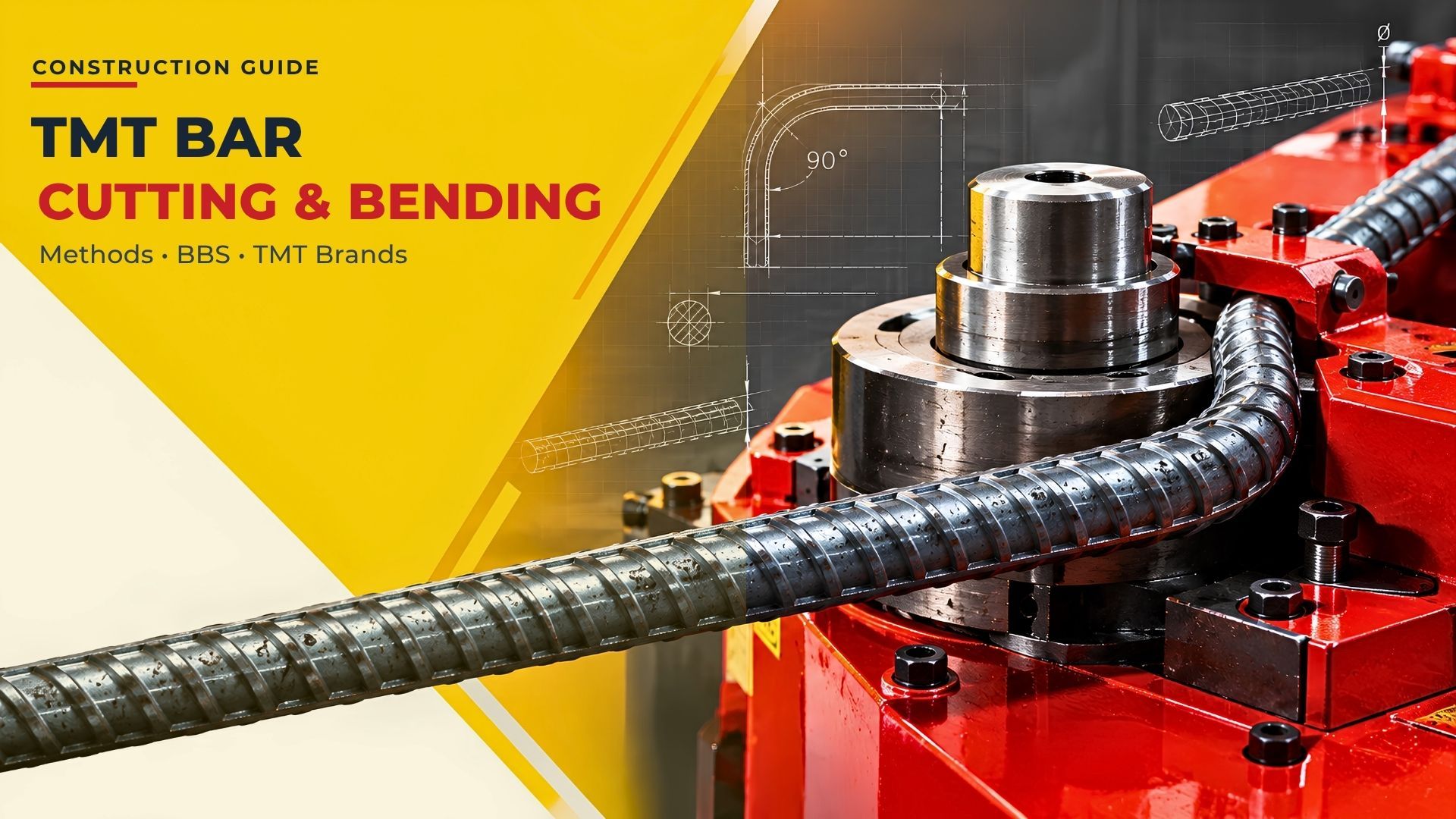
TMT Bar Cutting and Bending: Complete Guide, Methods, BBS & TMT Brands in India

Copyright © 2026 Sona Construction Technologies Private Limited