
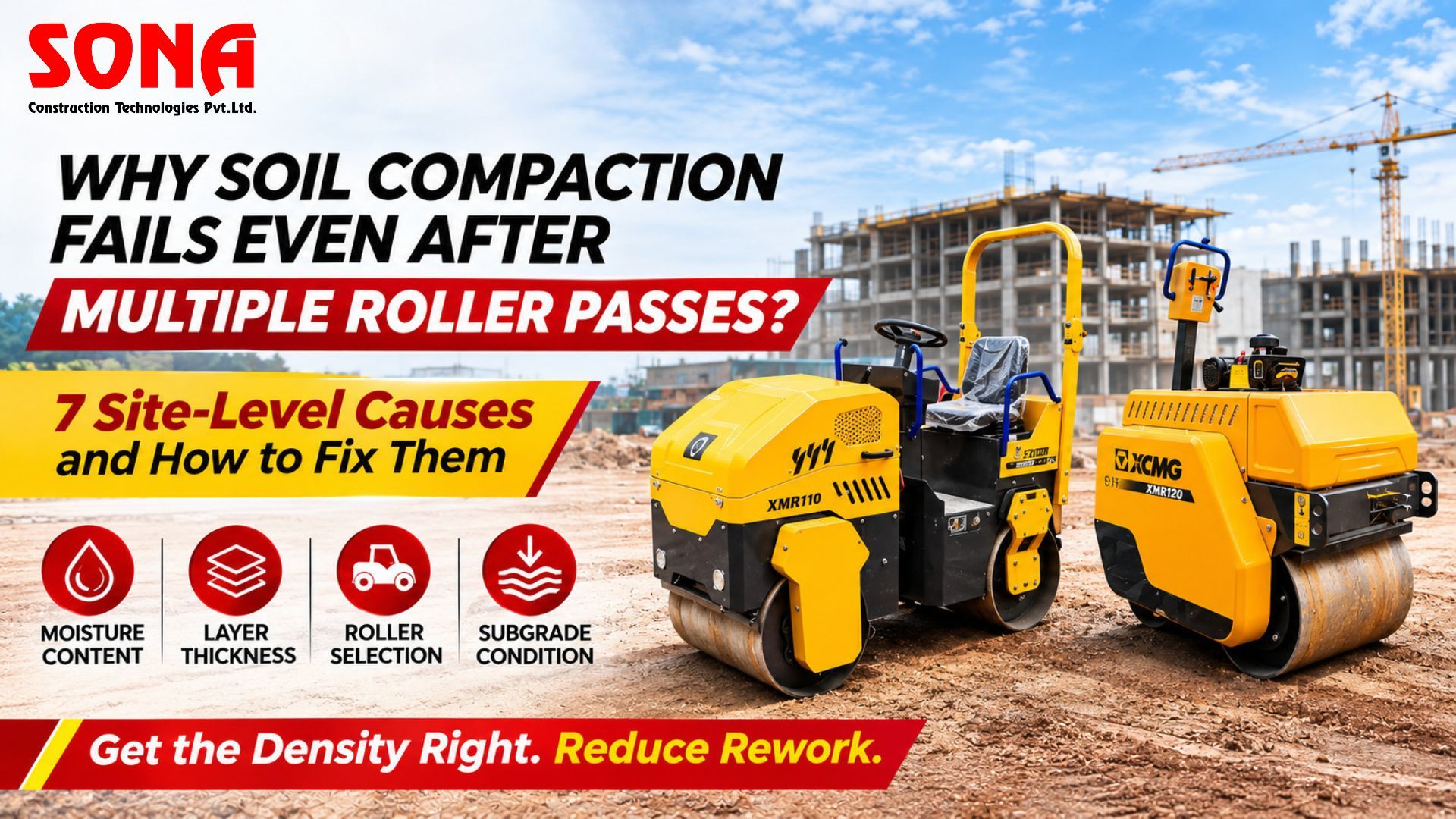
It's a familiar scene on almost every earthwork site. The roller has made eight, ten, even twelve passes. The operator is tired, the schedule is slipping, and then the field density test comes back at 92% when the spec asks for 95% or 98%.
The usual reaction is to run the roller a few more times. Often that changes nothing, and sometimes it makes things worse.
Compaction doesn't fail because of too few passes. It fails because something in the system is off: the moisture, the layer thickness, the machine, the ground underneath or the test itself. This article walks through the seven most common causes, how to confirm each one on site, and how to fix it.
Compaction is about reaching a target dry density, usually expressed as a percentage of Maximum Dry Density (MDD) from a Proctor test. Passes are only a means to get there.
Every soil and roller combination has a point of diminishing returns. After a certain number of passes, density barely increases. If you've reached that point and the test still fails, the problem lies elsewhere, so look at the seven causes below.
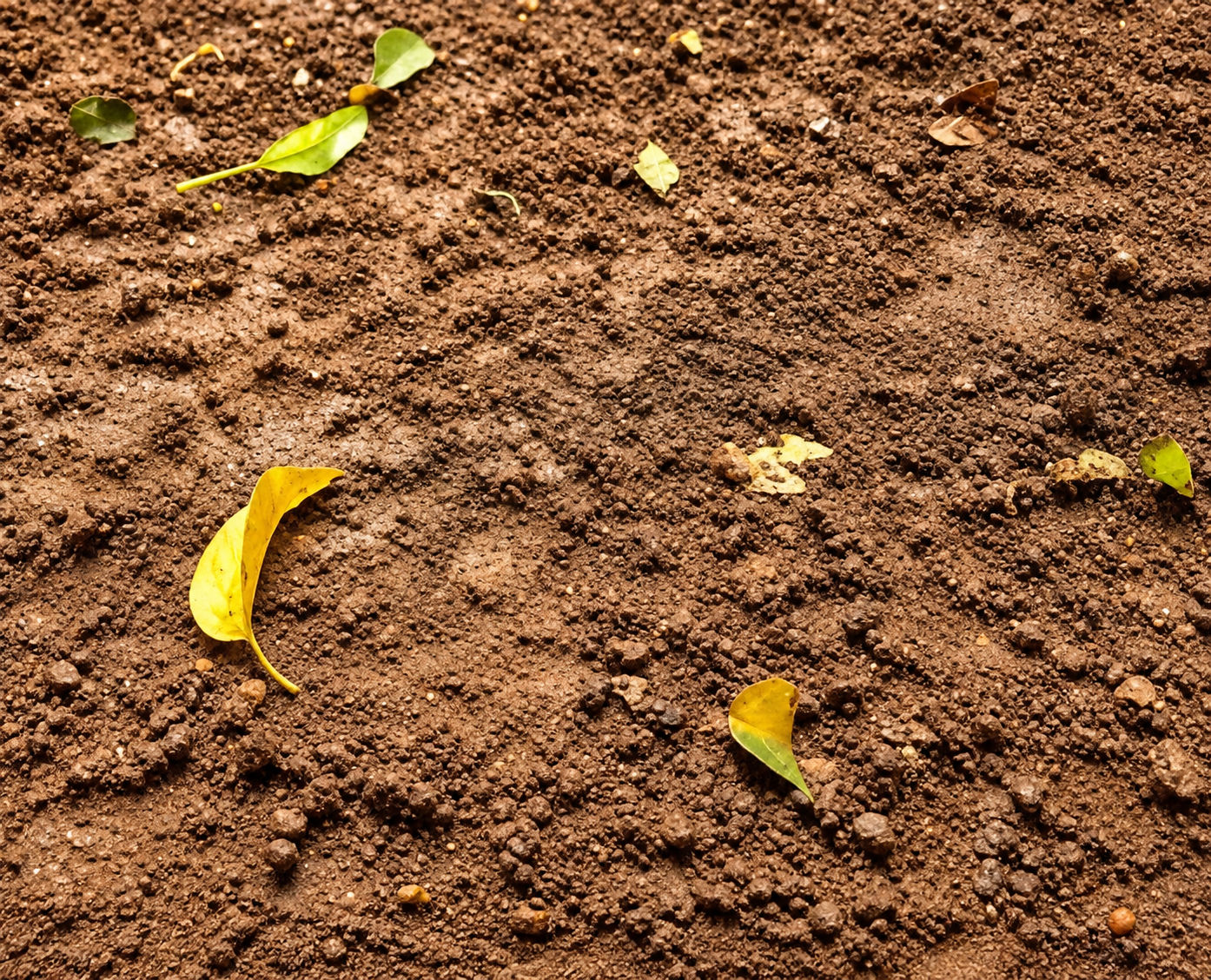
This is the most common cause of failed compaction.
Soil needs water to compact. Water lubricates the particles so they can slide into a tighter arrangement. But it has to be the right amount, close to the Optimum Moisture Content (OMC).
How to check on site
How to fix it
Aim for moisture within about ±2% of OMC, or whatever range your specification sets.
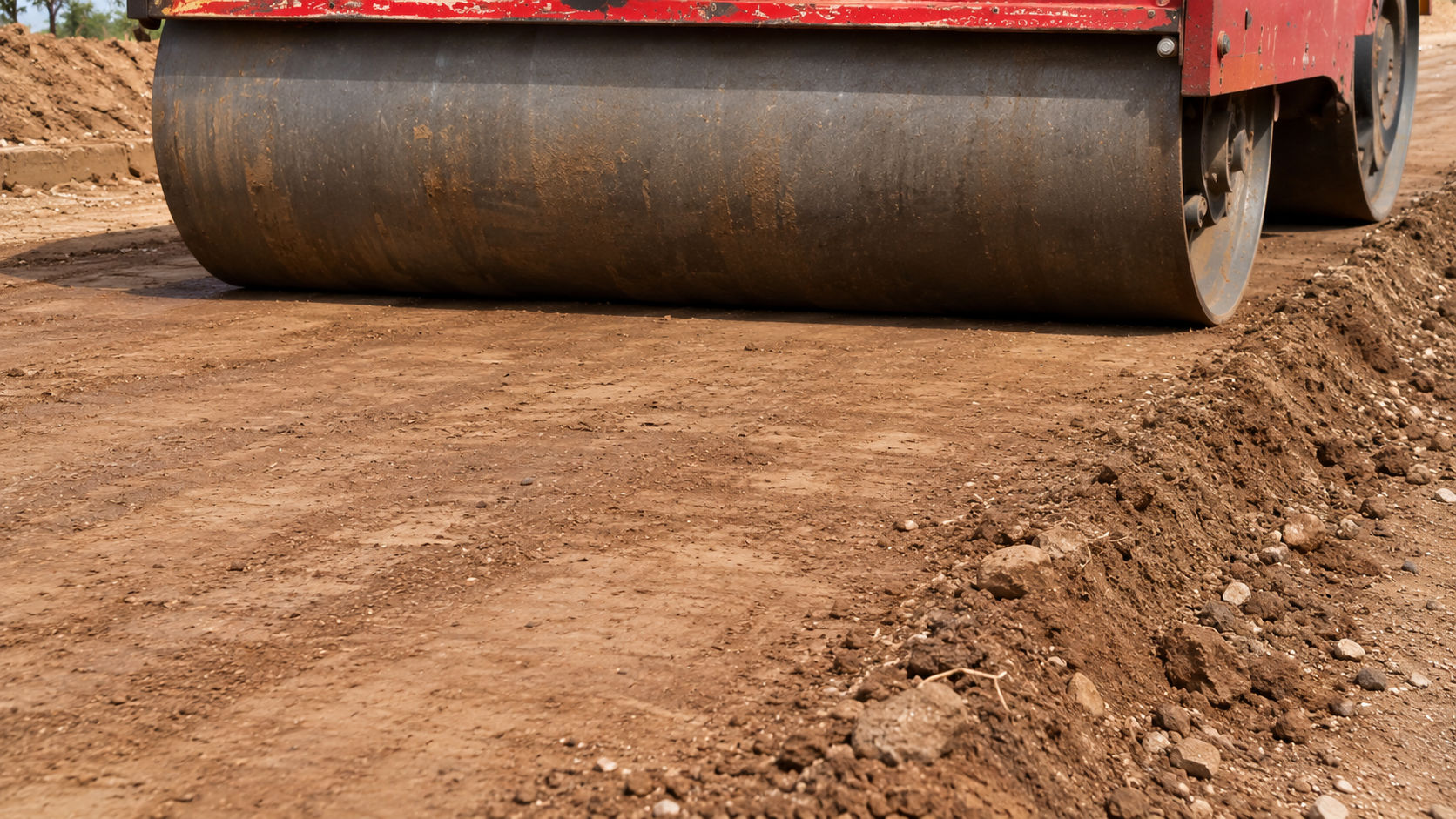
Roller energy fades with depth. If the loose lift is too thick, the top 100 mm gets well compacted while the bottom stays loose. A test taken at mid-depth then fails, even though the surface feels rock hard.
Typical loose lift thickness
Always follow your project specification and trial results, since these figures vary with equipment.
How to check on site
Dig a small test pit after rolling. If you can see a clear density change between the top and the bottom of the layer, thickness is your problem.
How to fix it
Reduce the lift thickness and confirm it with a compaction trial strip before full-scale work begins. A trial strip is cheap compared with removing and redoing a failed section.
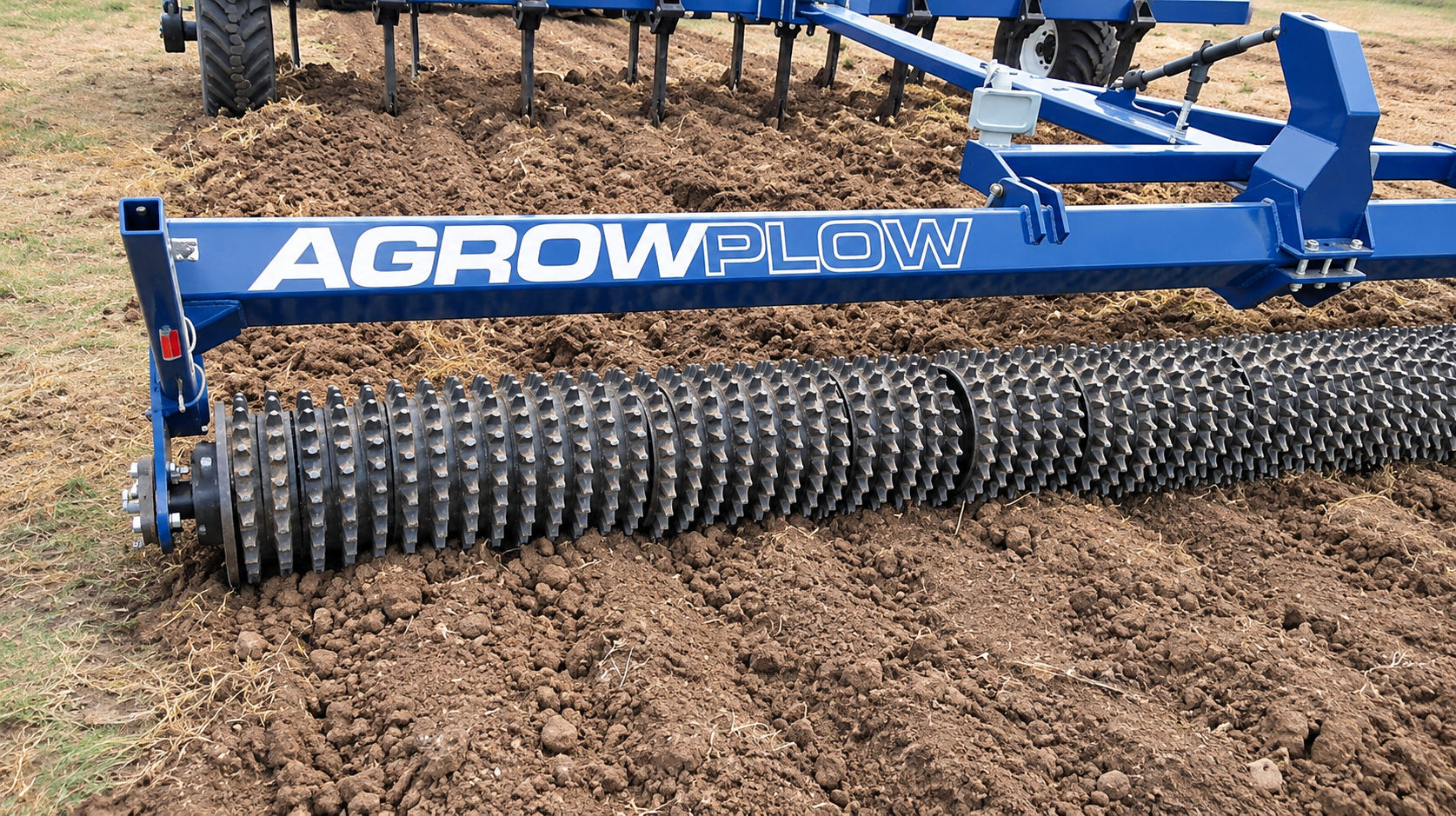
A roller that works beautifully on gravel can do very little on clay, and vice versa.
| Soil type | What generally works best |
|---|---|
| Sand and gravel (granular) | Vibratory smooth drum rollers |
| Clay and silty clay (cohesive) | Padfoot (sheepsfoot) or heavy static rollers |
| Mixed or variable soils | Trial strip to decide, often padfoot with vibration |
| Trenches, edges, around structures | Plate compactors, rammers, small trench rollers |
Granular soils respond well to vibration because it helps particles rearrange. Cohesive soils depend more on kneading and static weight, and heavy vibration can sometimes do little or even loosen the surface.
Confined areas such as trench backfill, pipe bedding and edges beside retaining walls are a frequent hidden weak point. A big roller simply can't reach them, so they get under-compacted. For these zones, use properly sized plate compactors and rammers rather than hoping a large roller will cover them.
How to fix it
Match the equipment to the soil and the work area, and don't stretch a single machine across jobs it wasn't built for.
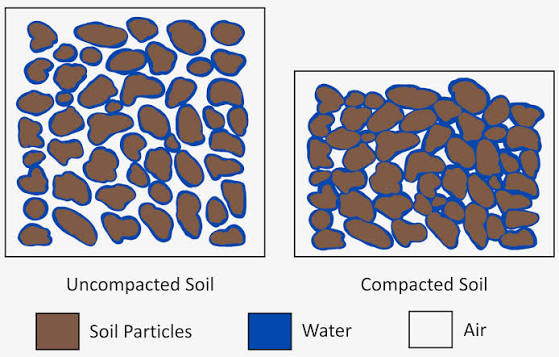

You can't compact a layer well if the ground below it is soft. The roller's energy gets absorbed by the weak layer instead of densifying the soil above.
Typical signs:
This often happens over wet subgrade, old fill, organic soil or an unprepared base after rain.
How to check on site
Do a proof roll with a loaded truck or heavy roller and watch for deflection. Dynamic Cone Penetrometer (DCP) or plate load checks on the subgrade can confirm it.
How to fix it
Dig out and replace the soft zone, stabilise it (lime, cement or geogrid, depending on the design), or dry it out before placing the next layer. Compacting more on top of a weak base just wastes roller hours.
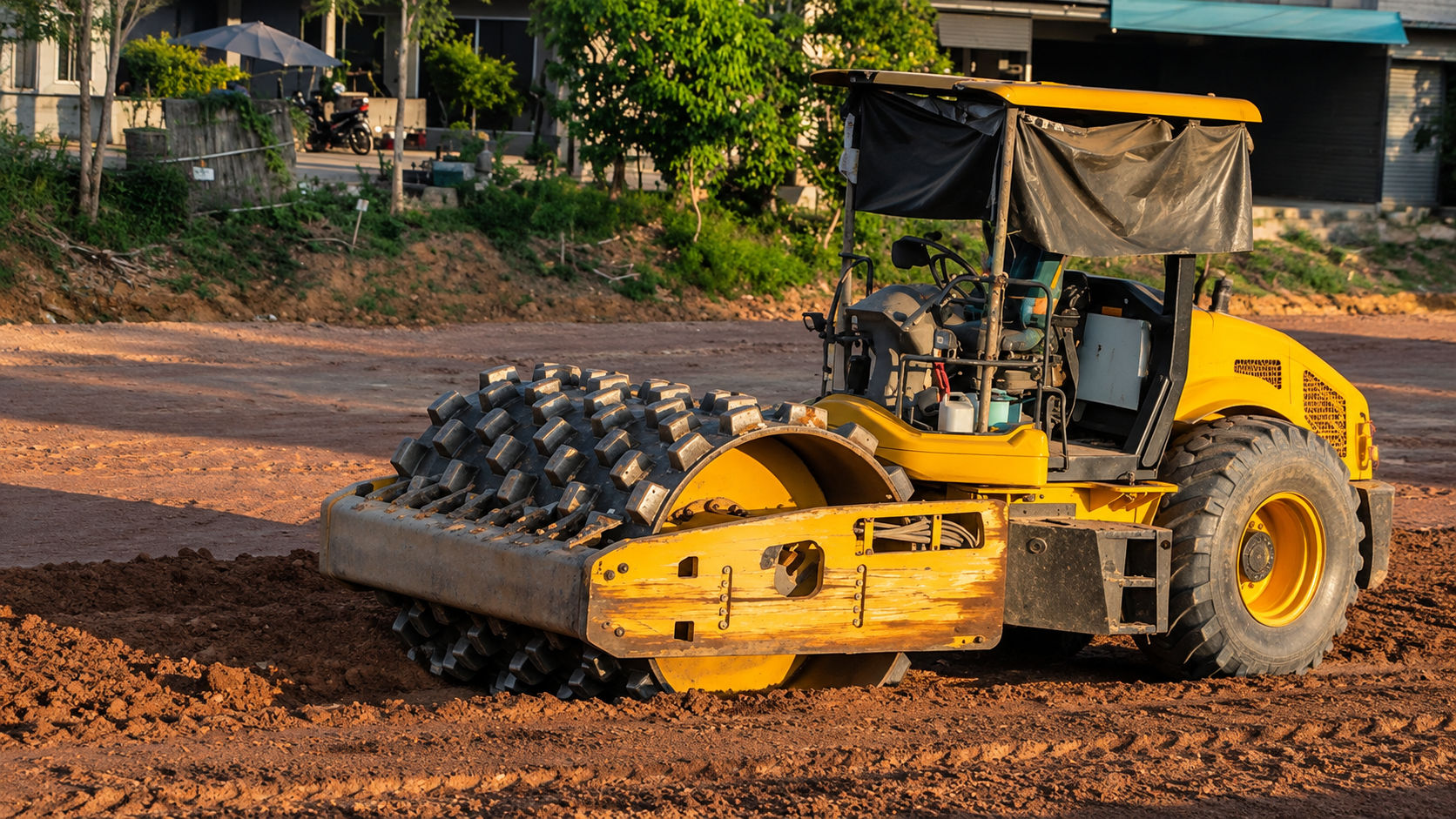
Even the right roller gives poor results if it's run the wrong way. Common operating mistakes:
How to fix it
Set a rolling pattern for each section, mark the lanes, record the passes, and brief operators on target speed and vibration settings. Intelligent or continuous compaction control systems, where available, take much of the guesswork out of this.
Machine condition matters too. Worn drum surfaces, weak vibration mechanisms or a roller that has lost vibratory output won't deliver the energy the spec assumes, so check your equipment regularly.
The Proctor test was done on one sample. The site rarely has one uniform soil.
Problems that show up in the field:
If the MDD used for calculating compaction percentage doesn't represent what's actually on site, the test can fail even when the soil is well compacted, or pass when it shouldn't.
How to fix it
Sometimes the compaction is fine and the test result is what's off. Before you tear anything up, check the testing side:
How to fix it
Make sure the method, reference density and frequency match the specification, calibrate instruments regularly, and cross-check a failing result with a second method or a retest nearby before ordering rework.
Before adding more passes, run through these questions in order:
In most failed-compaction cases, at least one of these has an answer of "no".
Repeated roller passes feel like action, but compaction is a system. Moisture, lift thickness, equipment, the ground below, operating technique, soil variability and testing all have to line up. Fix the weak link and the numbers usually follow, often with fewer passes than before.
The most cost-effective habit on any site is to do a compaction trial at the start. Prove the moisture, lift thickness, roller type and pass count that actually hit the target density, then repeat that recipe. It costs a little time up front and saves rework later.
For help selecting the right compaction equipment for your soil and site conditions, you can explore the range at Sona Vibrators.
Why Soil Compaction Fails Even After Multiple Roller Passes: 7 Site-Level Causes and How to Fix Them
Field Density Test (FDT): Methods, Procedure & Calculation

India’s Infrastructure Push Is Driving Demand for Construction Machinery, but the Ground Reality Is More Complex

Soil vs Asphalt Compaction: 7 Practical Differences Every Site Engineer Should Know
Smarter Machines, Stronger Roads: How Mechanisation Is Rebuilding India’s Road Construction

Copyright © 2026 Sona Construction Technologies Private Limited