
.png)
In modern construction, floor durability and long-term performance are extremely important. Whether it is a warehouse, factory, hotel, office, mall, or airport, the floor must be strong, dust-free, and long-lasting.One of the most effective ways to improve the life and performance of a floor is floor densification.Floor densification is widely used in concrete floor polishing systems to increase hardness, reduce dusting, and improve surface strength.
Floor densification is a chemical process used to harden and strengthen concrete floors. In this process, a chemical solution called a concrete densifier is applied to the floor. This chemical reacts with free lime (calcium hydroxide) present in the concrete and forms Calcium Silicate Hydrate (C-S-H). C-S-H is the same compound that gives concrete its strength.
| Benefit | Description |
|---|---|
| Increased hardness | Makes floor surface stronger |
| Dust-proof surface | Prevents concrete dust formation |
| Improved durability | Floor lasts longer |
| Better polishing results | Helps achieve high gloss finish |
| Reduced maintenance | Less repair and cleaning required |
.png)
Concrete floors are the most common surfaces for densification. They are widely used in many commercial and industrial environments because of their strength and durability.
Concrete floors are commonly found in:
• Warehouses
• Factories
• Parking areas
• Shopping malls
• Airports
• Industrial plants
Densification improves load-bearing strength and abrasion resistance.
.png)
Terrazzo flooring is made using marble chips mixed with cement or epoxy binder.
Benefits of densification in terrazzo floors:
• Higher gloss
• Increased durability
• Reduced porosity
• Improved stain resistance
.png)
Marble floors can also benefit from densification during polishing.
Densification helps:
• Improve shine
• Reduce surface wear
• Strengthen soft marble surfaces
.png)
Limestone is a softer natural stone and can easily wear out.
Densification improves:
• Surface hardness
• Scratch resistance
• Polishing quality
.png)
Industrial floors used in logistics hubs and manufacturing plants often require densification to handle:
• Heavy machinery
• Forklifts
• High traffic
• Abrasion
Sodium silicate densifiers are the traditional and oldest type of densifier used in concrete flooring. They react quickly with the concrete surface and help improve hardness.
They are commonly used in basic floor hardening applications and are generally more affordable compared to other densifiers. However, they may sometimes leave white residues if not applied properly.
Potassium silicate densifiers provide better penetration into the concrete surface compared to sodium-based densifiers.
They are widely used in commercial floor polishing systems because they offer better performance and produce fewer surface residues.
Lithium silicate densifiers are considered high-performance densifiers used in modern polished concrete floors.
They penetrate deeply into the concrete and react in a more controlled way. Because of this, they produce better floor hardness, improved durability, and superior polishing results.
Lithium densifiers are commonly used in high-end commercial flooring projects such as malls, airports, and premium buildings.
Planetary grinding machines are one of the most commonly used machines in floor densification and polishing.
These machines have multiple rotating grinding heads that rotate in a planetary motion, allowing them to grind the floor evenly and efficiently.
They are widely used in:
• Concrete floor preparation
• Surface grinding
• Polished concrete flooring
Planetary machines are ideal for large floor areas and industrial projects.
Single disc machines are smaller grinding machines used for light grinding, cleaning, and edge work.
They are commonly used in small projects and confined spaces where larger machines cannot operate.
These machines are also useful for spreading densifiers and performing surface preparation.
Ride-on grinding machines are designed for very large floor areas such as warehouses, airports, and logistics hubs.
The operator sits on the machine and controls it while grinding the floor surface. These machines increase productivity and reduce labor effort.
They are especially useful in industrial flooring projects where speed and efficiency are important.
Concrete floor densification and polishing require several specialized tools and machines to achieve a strong, smooth, and glossy surface. From surface preparation to final polishing, contractors rely on different types of equipment to ensure the floor is properly constructed and treated. Using the right tools improves the effectiveness of the densifier and helps produce durable and visually appealing concrete floors.
.png)
One of the most important tools used before densification is the concrete grinding machine. Grinding machines are used to remove weak surface layers, smooth uneven areas, and open the pores of the concrete surface.
These machines work by rotating diamond grinding discs or grinding plates across the concrete surface at high speed. As the discs rotate, they grind the top layer of the concrete and expose a stronger surface underneath.
This process allows the densifier chemicals to penetrate deeper into the concrete and react effectively with the material. Grinding machines are widely used in industrial floors, warehouses, factories, and commercial buildings.
.png)
In many renovation or repair projects, the existing concrete floor may have coatings, damaged surfaces, or contaminants. concrete scarifiers are used to remove these layers and prepare the floor for grinding and densification.
Scarifiers work using a rotating drum fitted with cutting tools or carbide tips. As the drum rotates, the cutters chip away the top layer of concrete and remove old coatings, adhesives, or damaged surfaces.
This process creates a rough and clean surface that improves the effectiveness of grinding and polishing operations.
.png)
During the concrete finishing stage, contractors use ride-on power trowels and concrete flattening machines to smooth the freshly poured concrete surface.
These machines operate using rotating steel blades that move across the concrete surface. As the blades rotate, they compress and smooth the top layer of the concrete, producing a dense and level surface.
Proper finishing helps produce a uniform concrete floor, which improves the performance of later processes such as grinding, densification, and polishing.
.png)
Screed vibrators are used during the concrete pouring stage to spread and level the concrete mixture.
These machines work by vibrating a screed blade while it moves across the concrete surface. The vibration helps remove trapped air from the concrete and distributes the mixture evenly across the slab.
A well-leveled floor reduces surface irregularities and improves the quality of the final polished concrete surface.
.png)
After leveling the concrete, contractors use bull floats to smooth the surface and push larger aggregates below the top layer of the concrete.
Bull floats work by gliding a large flat blade across the surface of freshly poured concrete. This action helps flatten the surface, remove ridges left by screeding, and prepare the floor for finishing with power trowels.
Bull floats are commonly used in large concrete floors such as warehouses, parking areas, and industrial buildings.
Floor polishing pads are an essential part of the floor densification and polishing process. Different pads are used at different stages to achieve the desired finish.
Metal bond diamond pads are used during the initial grinding stage of floor preparation. These pads contain industrial diamonds embedded in a metal matrix, making them highly aggressive and effective for heavy grinding applications.
They are mainly used to remove uneven surfaces, old coatings, adhesives, and weak concrete layers before densification.
Many flooring professionals use metal bond diamond pads from ABTEX because they provide strong grinding performance and long tool life.
Resin bond pads are used in the polishing stages of floor densification. These pads gradually smooth the surface and increase the gloss level of the floor.
Contractors often use a sequence of polishing pads with increasing grit sizes such as 200, 400, 800, 1500, and 3000 grit to achieve a mirror-like finish.
High-quality resin bond diamond polishing pads from ABTEX help achieve better surface clarity and consistent polishing performance.
.png)
Creating a durable and polished concrete floor involves several stages, from base preparation to final densification and polishing. Each stage uses specialized construction equipment to achieve the desired surface quality.
After concrete is poured, contractors use screed vibrators to spread and level the concrete mixture across the floor. The vibrating screed helps remove trapped air and ensures that the concrete is distributed evenly across the slab.
Once the concrete is leveled, bull floats are used to smooth the surface and push larger aggregates slightly below the surface. This step creates a flatter surface and prepares the floor for finishing.
During the finishing stage, ride-on power trowels or concrete flattening machines are used to compact and smooth the top layer of the concrete. The rotating blades of the machine create a dense and uniform surface.
After the concrete has cured, the surface must be prepared for densification. Contractors use concrete scarifiers to remove damaged layers, coatings, or contaminants from the floor.
Before applying densifier chemicals, the floor surface is ground using concrete grinding machines. Grinding opens the pores of the concrete and removes weak surface layers, allowing the densifier to penetrate deeper.
After grinding, densifier chemicals are applied to strengthen the concrete. The floor is then polished using diamond polishing pads to achieve a smooth and glossy finish.
Warehouses and logistics centers experience heavy movement of forklifts, pallet trucks, and storage equipment. Densified concrete floors provide a strong and abrasion-resistant surface that can withstand constant traffic.
These floors also reduce dust formation, which helps maintain a cleaner environment for stored goods and equipment.
Industrial plants require floors that can handle heavy machinery, vibration, and high operational loads. Floor densification strengthens the concrete surface and improves its resistance to wear and chemical exposure.
Densified floors are commonly used in manufacturing units, production facilities, and assembly plants.
Shopping malls and commercial buildings require floors that are both durable and visually attractive. Densified and polished concrete floors offer a smooth, glossy appearance while also providing excellent durability.
These floors are commonly used in retail stores, exhibition halls, and commercial complexes.
Airports and transport terminals experience extremely high foot traffic. Densified concrete floors provide a strong and low-maintenance flooring solution that can withstand continuous movement of passengers and luggage trolleys.
Polished densified floors also enhance the modern appearance of airport interiors.
Parking structures and garages require flooring that can withstand vehicle movement, oil spills, and heavy loads. Floor densification improves the strength and durability of concrete floors in parking areas.
The densified surface also reduces dust and makes the floor easier to clean and maintain.
Hospitals require flooring systems that are clean, durable, and easy to maintain. Densified concrete floors create a smooth surface that resists dust and bacteria accumulation.
This makes them suitable for hospital corridors, laboratories, and medical facilities.
Schools, universities, and training centers experience continuous foot traffic. Densified concrete floors provide a cost-effective and long-lasting flooring solution for hallways, classrooms, and auditoriums.
Floor densification is an important process in modern flooring systems. It strengthens concrete floors, reduces dust formation, and improves the quality of floor polishing. By using the right combination of densifier chemicals, grinding machines, and polishing pads, contractors can create floors that are durable, attractive, and easy to maintain. With the increasing demand for high-performance industrial and commercial flooring, floor densification has become an essential part of professional floor finishing and polishing systems.
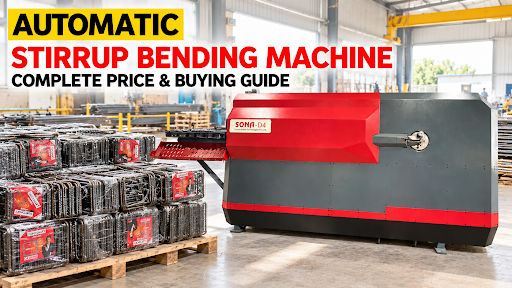
Automatic Stirrup Bending Machine: Complete Price & Buying Guide (India)

Rebar Bending Machine Price in India: Types, Capacity, Power & Complete Buying Guide

Sona at bauma CONEXPO INDIA 2026: A Look Inside Stall H14-B55
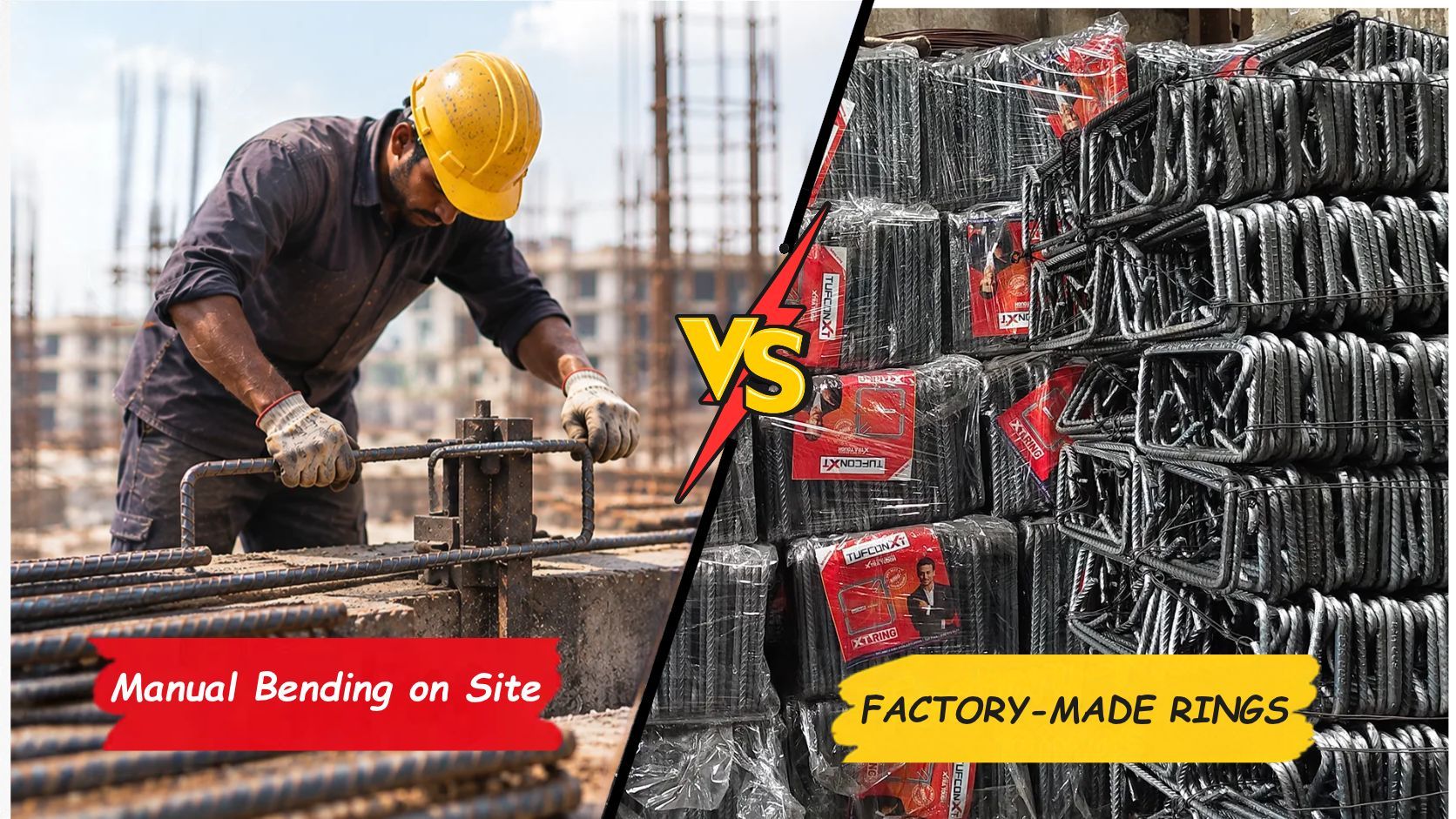
TMT Stirrup Bending: Machine Bending vs. Manual Bending — Which Is Better?
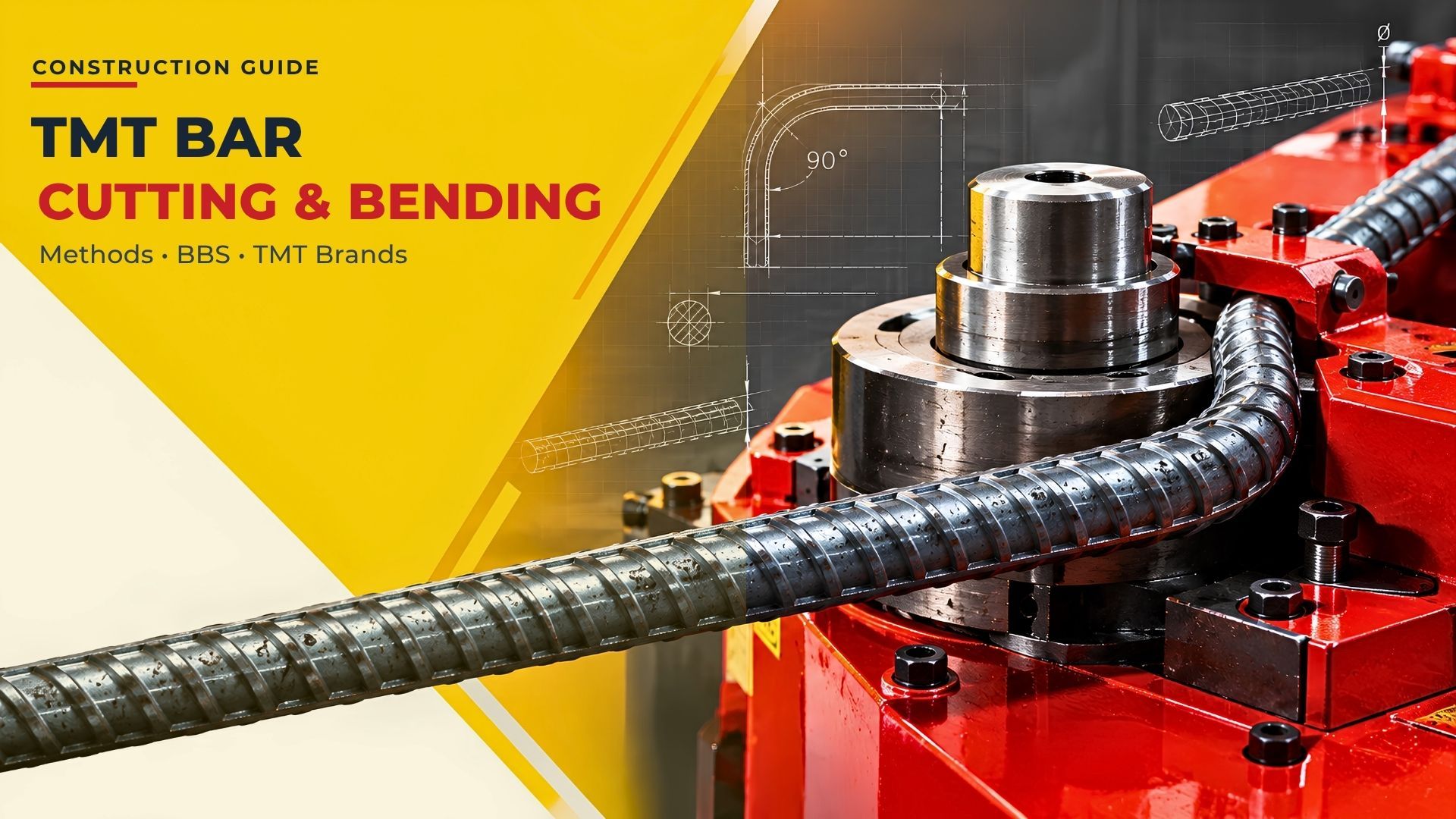
TMT Bar Cutting and Bending: Complete Guide, Methods, BBS & TMT Brands in India

Copyright © 2026 Sona Construction Technologies Private Limited